10 Easy Garden Tips for Beginners that Work
Beginner Gardening Tips for First-Time Gardeners
Gardeners have some OPINIONS. I asked my trusty community (that’s you!!) to send help, more like an SOS honestly, in growing a small herb and veggie garden. Not only did y’all deliver, but I also got some hilariously conflicting advice.
Everything from planting direction (North vs South? East vs West?!) to which flowers keep deer and bugs away best came flooding into my inbox. While I’m definitely a little overwhelmed, I’m also SUPER thankful for all the support.
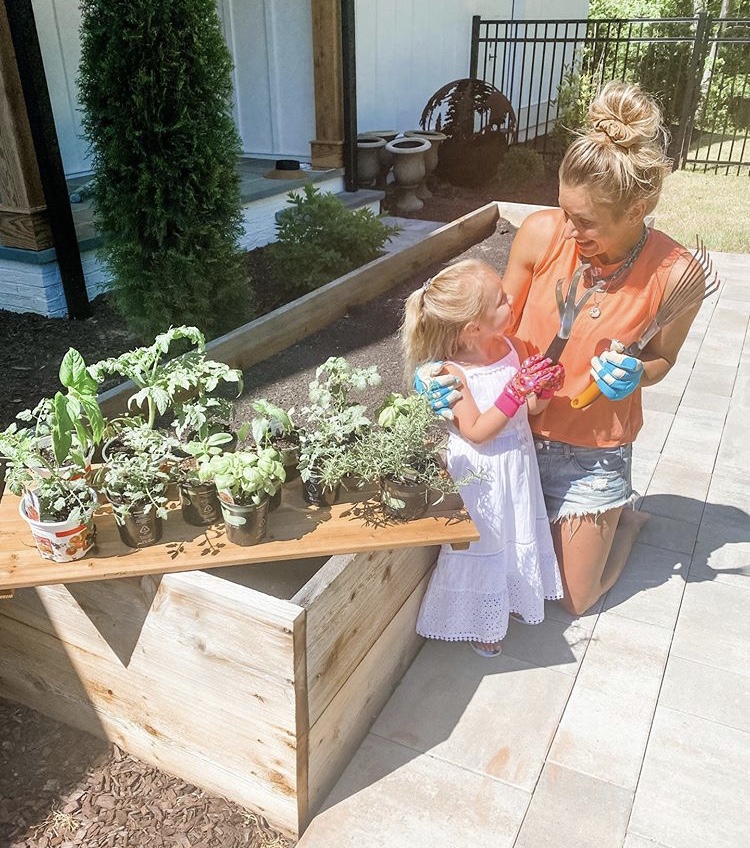
Gardening is quickly becoming something really cathartic for me. Plus, I love teaching Leni where our food comes from and watching her get excited about the process too.
I’ve compiled 10 beginner gardening tips I’m personally trying this season. I am absolutely NO expert, but I firmly believe trial and error counts as research. So here goes nothing.
1. Use the Right Soil
One of the very first things I learned? Good soil matters A LOT.
Soil3 Organic Compost Soil caught my attention for two reasons. It’s organic, and it’s created using a high-heat composting process with 100 percent natural farm products. Apparently this process creates humus compost, which gardeners swear by.
Also, and this may have been the deciding factor, it came straight to my door. If you know me AT all, delivery is basically my love language these days.
For additional beginner gardening guidance, the Old Farmer’s Almanac Gardening Guide is packed with practical planting tips.
2. Keep Critters Away Naturally
When I asked experienced gardeners for advice on Instagram, pest control came up constantly.
After doing a little extra research, I discovered that basically NOTHING is fully deer proof. However, planting things like lantana, garlic, and agave may help discourage deer from wandering through your garden.
Meanwhile, traditional kitchen herbs are usually safer from rabbits and squirrels. For insects, though, you may still need a natural garden pest repellent.
I’m not kidding when I say deer are already trying to sabotage my little garden setup, so this has become one of my top Google searches lately.
3. Learn Your Frost Dates
This tip feels especially important for beginner gardeners.
Even though North Carolina has a long growing season, unexpected cold snaps can still happen. According to the USDA Plant Hardiness Zone Map, understanding your planting zone can help you avoid losing seedlings too early in the season.
I also read that placing a clay pot over seedlings overnight can help protect delicate plants when temperatures dip unexpectedly. Honestly, anything that keeps me from accidentally going full Elsa on my new plant babies sounds worth trying.
4. Pay Attention to Garden Placement
At first, nobody could agree on which direction veggie rows should face. However, after reading several gardening articles and talking to Nana Weezy, the consensus seems to be North to South.
Apparently planting East to West can cause taller plants to overshadow smaller ones. At the very least, make sure your herbs and vegetables are getting the amount of sunlight recommended on their seed packets.
Because sunlight requirements vary so much, placement can make or break your garden.
5. Water Carefully and Consistently
Not gonna lie, I think this is the part that makes me the most nervous.
I’ve heard watering during the hottest part of the day can actually damage plants because the sun evaporates moisture too quickly. Instead, most gardeners recommend watering early in the morning or later in the evening.
Additionally, overwatering can be just as harmful as underwatering. Brown leaves, droopy plants, and soggy soil are usually signs something’s off.
Everyone I’ve talked to keeps repeating the same advice. Aim for moist soil, not saturated soil.
6. Start With Easy Herbs
Fresh herbs might honestly be my favorite part of this whole gardening experiment.
Not only are herbs relatively easy for beginners to grow, but they also smell AMAZING and can naturally help deter certain pests.
I’m especially excited for fresh basil and mint this summer because I already have visions of homemade salsa, cocktails, and pasta nights.
7. Don’t Start With Difficult Plants
I definitely played it safe with my first garden.
Instead of trying to grow complicated crops right away, I focused on beginner friendly vegetables and herbs we actually use often. Right now we’ve got zucchini, tomatoes, peppers, basil, and a few other easy garden staples growing.
Growing up, my parents always had a huge garden, and I remember some crops thriving while others totally failed. Thankfully, herbs and squash usually held their own.
That honestly makes me feel better about inevitable beginner mistakes.
8. Consider Mulching Your Garden
This tip technically applies more to traditional gardens than raised beds, but I’m still tempted to try it.
During hot Southern summers, mulch can help soil retain moisture longer, which means less watering overall. In addition, mulch may help block weeds by limiting sunlight exposure.
And honestly? Fresh mulch next to green grass just LOOKS pretty.
Especially when paired with a gorgeous lawn from SuperSod.
9. Don’t Ignore Soil Moisture
Apparently this is one of the biggest beginner gardening mistakes people make.
Too much water can suffocate roots, while too little can stress plants and slow growth. So before watering, I’m trying to actually check the soil first instead of panic watering every sad looking leaf I see.
We’ll see how long that self control lasts.
10. Chamomile Tea Might Actually Help
This was one of the most interesting gardening hacks I came across.
Apparently a very weak chamomile tea spray can help prevent something called damping off disease, which is caused by fungi attacking seedlings at the root.
Basically, your baby plants either survive or dramatically collapse overnight.
So yes, I will absolutely be brewing tiny plant tea if it helps keep my garden alive.
Final Thoughts on Beginner Gardening
I’m getting ridiculously excited about the idea of fresh garden salsa later this summer. At the same time, I know a lot of what I’m trying this season will probably end up being one big experiment in beginner gardening.
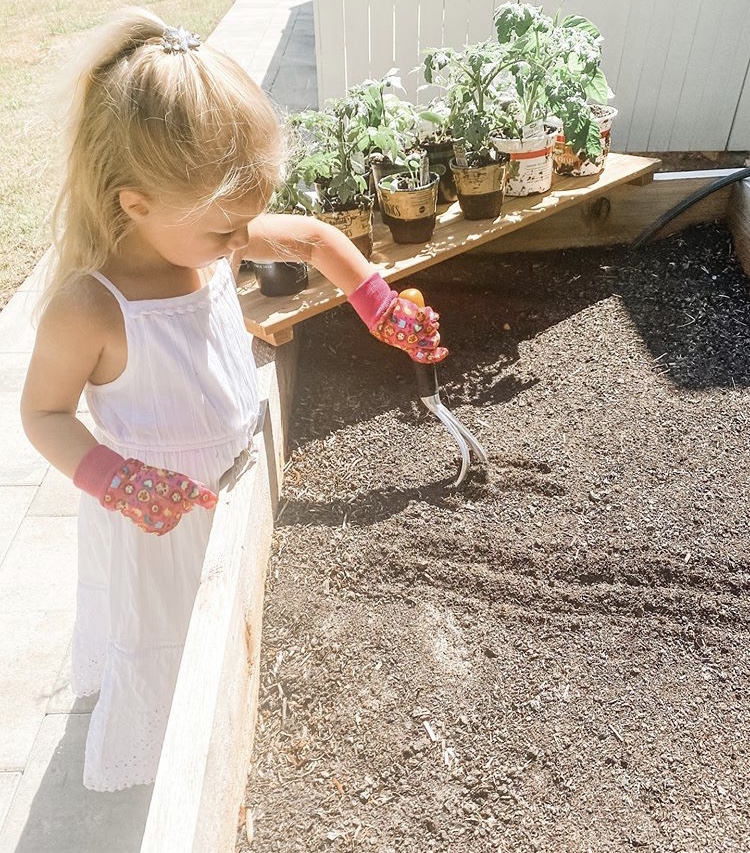
Still, I love making these memories with Leni. And honestly, if we end up with a few good tomatoes and some fresh herbs out of all this, I’ll consider it a success.
If you have beginner gardening tips, easy veggie recommendations, or gardening hacks for newbies like me, drop them in the comments below because I’m definitely learning as I go.
-Eva


Hoe your garden, it’s loosens the soil and gives the vegetables oxygen!!
You can also put straw around the plants instead of mulch, does the same thjng.
Watering in morning and evening are best.
Good luck!!
Wow I didn’t know about the tea thing I’ll have to try that on my squash
If you are planting jalapeños. My dad learned a trick a few years ago. He’s 72 and has the most amazing garden at their cabin, raised beds he built last year. And he brought soil from a place cows have pooped for years and it’s apparently awesome soil. BUT. If you want hot jalapeños, you have to turn the water OFF of them at a certain point for a week or two. We tested it, it works. Hottest jalapeños ever and I canned a bunch and people can’t get enough of them. I’d send you pics of his garden but my pics never seem to get to you. Also, lemon cucumbers are the best tasting cucumbers and I swear most people don’t know what they are
Have your soil tested by your County Agents to see you soil ph and what admendments would help . Then apply these this fall to hel next years garden. I’ve been your biggest fan forever !
Gardening goes hand in hand with hunting and fishing. I mentioned that to you once before. Look how your Dad and Mom garden, Have you ever noticed how store bought has very little taste? Make a compost bin in your yard. Dry out and grind up those bones from hunting for bone-meal. Make sure you rotate out and rejuvenate areas after several years of use. We have 7 different beds throughout the property and one or 2 sit fallow every year. Try to obtain a black barrel. Put lawn clippings and leaves in it, add water and let it rot several weeks. Add that to fallow beds and till in. The rotting and heat kills all the weed seeds and starts the break-down process.
I’m learning more and more each year we get to plant and learning what’s compatible and what’s not. Our whole family enjoys the garden.
I’m in the process of building my wife a greenhouse. It is facing North and South. Can’t wait to finish it up and get it sealed to start growing fresh Vegetables year round here in the North West Panhandle of Florida. So far we have had a good yield of veggies straight off our back patio! Good luck Eva!
Tip for watering: think of it like baking a cake. If you stick a finger in the soil and there’s no soil on it when you remove your finger, it doesn’t need watered. But, if you pull your finger out and it’s covered in dry soil, it’s time to be watered. Under watered is better than over watered.
Also, when you do start to cook with your herbs, they will be a lot stronger than most you buy at the store. So when measuring them out, keep that in mind. Furthermore, if you have/get a dehydrator (sometimes you can do it in the oven – like with garlic), you can dehydrate the leaves and then you have dried seasonings to add as well as fresh herbs.
If you’re planting mint, you might want to consider a planter box over putting in the garden, it spreads quite rapidly and will choke your other plants out! Have fun!!
Hi Eva! Your post is so admirable because I have been trying to learn how to prepare a garden for the last 2-3 months. But after seeing your blog, now I feel that I found the treasure. The tips you have given like, use the right soil and keep critters away are so effective in growing a garden.